We’ve all heard the expression “one size fits all” meaning a single size of something can be suitable for people of all sizes. I took it one step further and asked Google, which of course applied an AI search, and found it interesting that it said, “it can also mean a single approach or solution applied to all situations or individuals regardless of their specific needs or characteristics.” That last phrase is particularly interesting as it implies more of a forced fit!
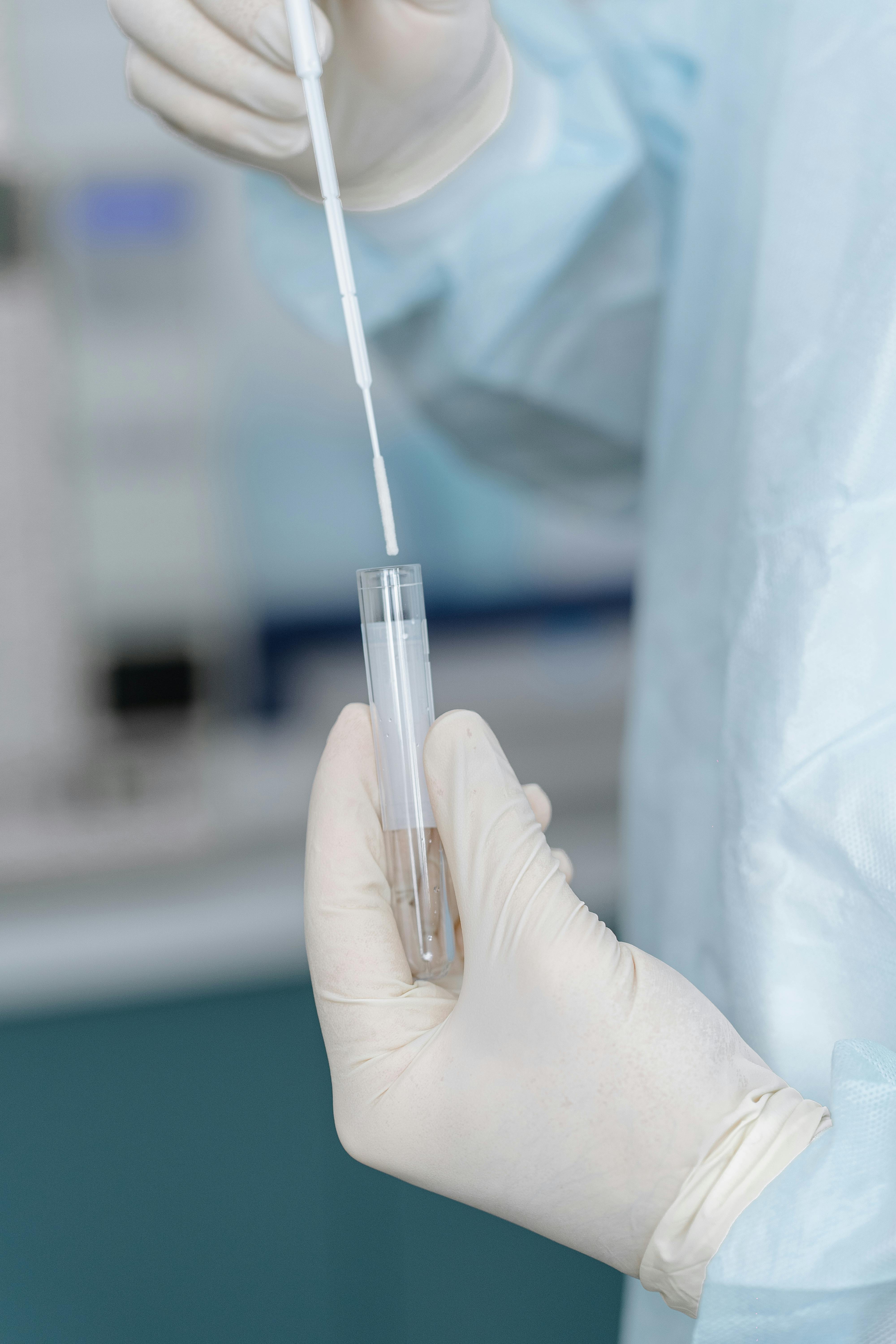
This drove my mind straight to urine screening and how for so many years it was the size that fit all simply because there were no other acceptable alternatives being used for drug testing and certainly none recognized by the Substance Abuse and Mental Health Services Administration (SAMHSA’s) nor The U.S. Department of Transportation (DOT). Well, all that has changed and now we have many more options available that should be and in many cases are being utilized for workplace drug screening. This brief paper will outline what some of those methods are, and how they can be applied to the most common reasons for testing.
What are common reasons for workplace drug testing?
First, it is important to have a brief understanding of the windows of detection (WOD) for different testing methods because this is critical in selecting the method best suited for your applications. The following table shows three general windows from “short” to “intermediate” to “long” windows of detection and what sample types are best suited to fit those WOD.
Drug Use Windows of Detection vs. Sample Types/Methods

How to use each testing method
There are many ways to look at utilizing these sample types for various applications. However, the table below provides a summary from this author’s point of view on what methods are most suited for the testing reasons listed.
Testing Method and Best Suited Workplace Application

- Breath THC is still in its infancy, not broadly deployed at this time, and is not FDA cleared or federally endorsed. That said, it is being commercialized today and gaining some momentum as a pre-screen as a 2-3 hour WOD test for marijuana in for cause and post-accident situations as well as pre-duty access to facilities prior to beginning a shift. The version of this test available today is a laboratory-based test so do not expect a rapid result, at least not today.
- Eye scan tests have been commercialized by several companies (Gaize being the most notable today) and are capable of performing automated scans of what is done manually during a field sobriety test. This exam provides an assessment of impairment making it a good choice after an incident, for cause or after suspicious behavior. Eye scan tests take a little over 5 minutes and they are run singly per unit.
- Oral fluid testing is now broadly available in both rapid and laboratory-based FDA cleared formats, allows one to detect a WOD covering recent use (potential impairment) of all the same drugs tested for in urine, is very easy to collect, and often saves time and money vs. traditional urine collections and testing. Many employers across the U.S. have adopted oral fluid testing since it was introduced around 1999, and find it to be one of the most versatile and advantageous sample types currently available because it can be adopted for all reasons of testing unless that very long WOD is critical to your program/culture. Oral fluid also detects the parent, psychoactive form of marijuana making it ideal in states such as CA & WA where one can no longer test for the cannabis metabolites in many testing scenarios. Lab-based oral fluid testing is federally endorsed and allowed under the U.S Department of Transportation program, although we are still awaiting two laboratories to be HHS certified for regulated testing to officially begin.
- Urine testing WAS that one size that fits all sample since the late 80’s when workplace drug screening really began, and it is still the dominant form of testing in the workplace market due to its accuracy, WOD profile, long history of use and acceptance in federal and DOT programs. That said, there are drawbacks to urine collections and testing such as dependence on collection sites, ease of substitution/cheating, the fact that it tests for the metabolite of marijuana (past use), and more.
- Hair testing has made inroads into the workplace market for many years particularly in trucking (non-regulated), casinos and other applications where that long WOD (approximately 90 days) is desired. While federal guidelines were drafted many years ago, there are still no final federal regulations for hair testing and therefore there are no U.S. DOT rules either. This means it cannot be used for federal or DOT regulated testing at this time.
Conclusion
With many more options available today to conduct workplace drug testing an employer no longer needs to feel like one size must fit all. Look at your program, re-examine your drug testing objectives, look at these methods, and choose the one or ones that are most likely to help you achieve those objectives.
Of course, be aware of your state laws and any federal or DOT regulations that apply to your company. Update your drug testing policy regularly as these laws and regulations, including legal marijuana laws that place conditions on drug testing, are subject to change. If you are unsure whether a drug testing method is permitted in your states, consult your drug testing provider or a policy expert.
DrugPak Software helps hundreds of businesses of all sizes effectively manage and monitor their drug testing programs. Contact us today to learn how we can help your business.
© 2010-2025 DrugPak – No portion of this article may be reproduced, retransmitted, posted on a website, or used in any manner without the written consent of DrugPak. When permission is granted to reproduce this article in any way, full attribution to the author and copyright holder is required.